
San Francisco Loses 4,400 Jobs Despite AI Boom as Tech Layoffs Continue
San Francisco's job market contracted in 2025 despite the city serving as the epicenter of the artificial intelligence boom, with the region losing 4,400 positions as traditional tech companies shed w...
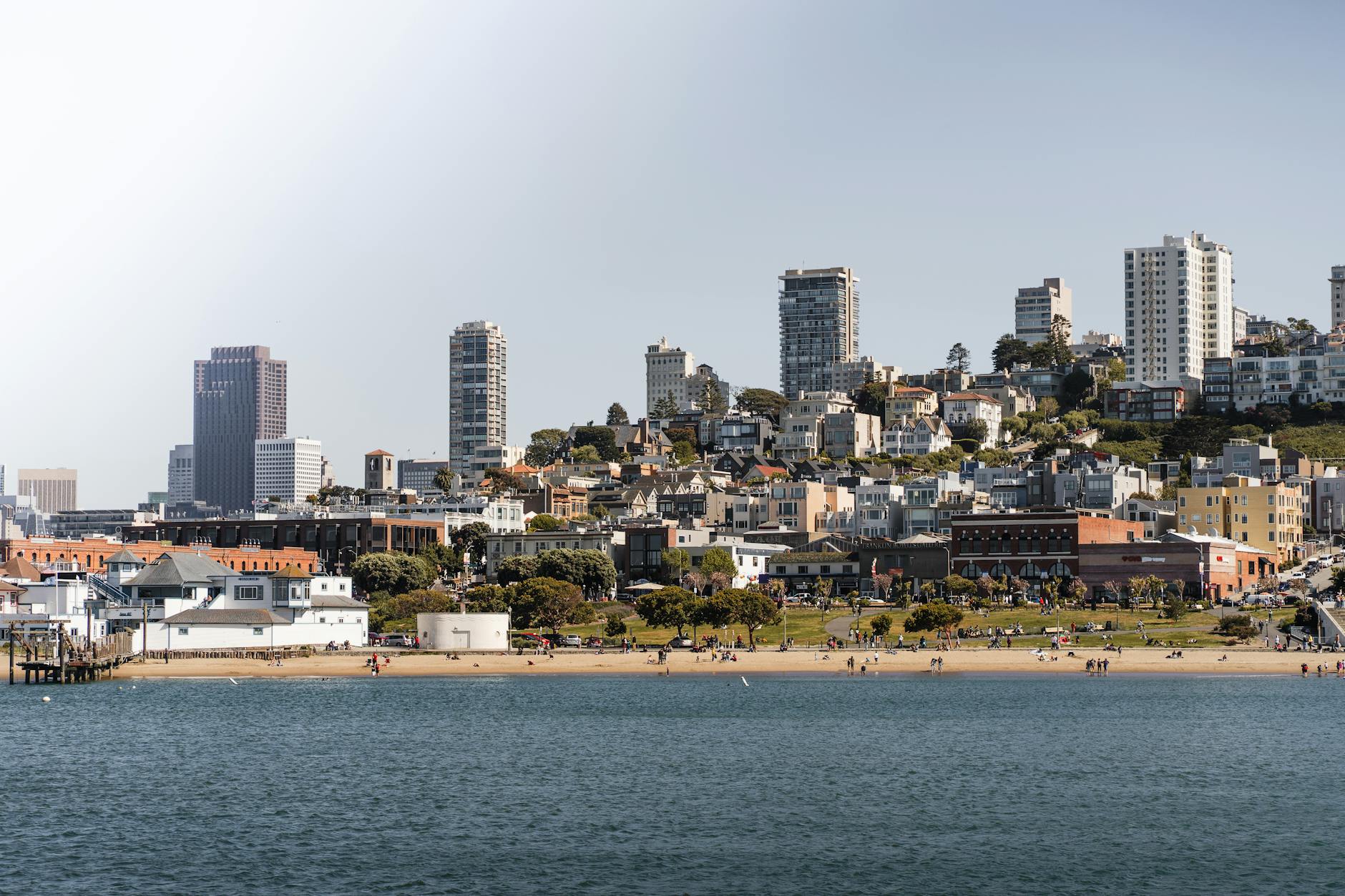
San Francisco’s job market contracted in 2025 despite the city serving as the epicenter of the artificial intelligence boom, with the region losing 4,400 positions as traditional tech companies shed workers faster than AI firms could hire them.
The labor market of San Francisco and San Mateo counties declined by 0.4% last year, according to data released by the California Employment Development Department. The information sector, which includes many tech companies, recorded the steepest annual drop with 4,500 jobs lost, representing a 4% decline.
“The number of jobs being created in AI is not enough to fully offset the job losses at traditional Big Tech companies,” said Enrico Moretti, a professor of economics at UC Berkeley. “The upward trend in AI is still dwarfed by the downward trend from the rest of the industry.”
The numbers illustrate the stark imbalance between AI hiring and broader tech layoffs. Around 40,000 workers were laid off at tech companies headquartered in the Bay Area in 2025, according to independent tracker Layoffs.fyi. Meanwhile, OpenAI and Anthropic employ fewer than 10,000 employees combined.
Professional and business services also suffered, posting a net decline of 3,600 jobs over the year. The sector saw sharp reductions in professional, scientific, and technical services along with corporate management roles, though administrative and support services provided modest gains.
The downturn hit San Francisco particularly hard compared to other major cities. Job listings in San Francisco declined 37% from February 2020 to October 2025, according to data from Indeed.
Tech layoffs have continued into this year. Menlo Park-based Meta cut more than 1,000 jobs from its Reality Labs division this month, while San Francisco-based Pinterest announced it would lay off 15% of its workforce and reduce office space.
The only bright spot came from leisure and hospitality, which added 4,500 positions over the year. Nearly 80% of those gains came from accommodation and food services, reflecting increased in-person activity as office workers returned to the city.
San Francisco’s heavy concentration of tech companies makes it a national outlier in the current job market. While economists describe the national labor market as “low hire, low fire,” the tech sector operates under “low hire, some fire” conditions, according to Laura Ullrich, director of economic research at Indeed.
The current pullback follows more than a decade of rapid expansion in the city’s tech sector. Starting in the mid-2010s, low interest rates and abundant venture capital fueled aggressive investment in local private tech companies, with firms hoping for lucrative initial public offerings. Companies expanded rapidly, adding jobs and competing intensely for talent.
The hiring spree accelerated during the pandemic when jobs were plentiful and workers could easily move between companies. But this era of “over-exuberance” has ended, according to Moretti, as interest rates spiked and companies discovered their headcounts were too large.
The rise of artificial intelligence has added another layer of disruption to the unsettled labor market. New college graduates face particular challenges as companies favor automation and experienced workers. Hiring of new graduates at the 15 largest tech companies has fallen 55% nationwide since 2019, according to venture capital firm SignalFire.
For employed workers, companies increasingly mandate “AI fluency,” using the technology to reduce workforce size while expecting remaining employees to maintain productivity levels.
Despite visible signs of economic activity—office buildings filling up, competitive apartment hunting, and long lunch lines—the employment data reveals the complex reality beneath San Francisco’s latest boom cycle.