Silicon Valley's Semiconductor Supply Chain Has a Palladium Problem. The Answer May Be in Greenland.
A NASDAQ-listed company just acquired control of the western hemisphere's largest palladium deposit. For Bay Area semiconductor and clean energy supply chains, the timing could not be more relevant.
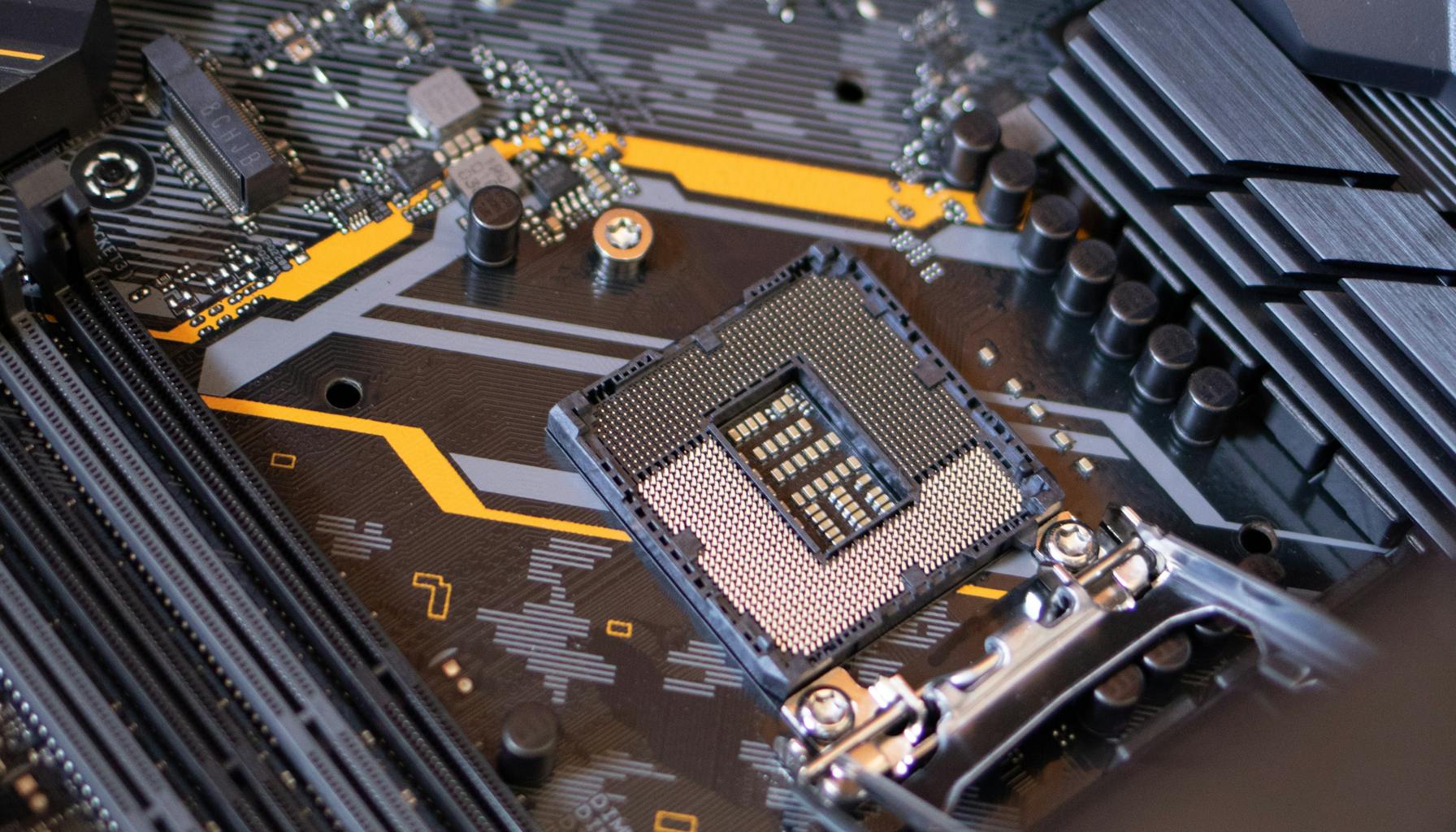
Silicon Valley’s semiconductor supply chain runs on platinum-group metals that most engineers in Santa Clara and Cupertino never think about. Palladium is one of them. It’s embedded in multilayer ceramic capacitors across Intel’s chip architectures, in the fabrication processes at Applied Materials and Lam Research, and in the precision electronics that flow through Apple’s supply chain. And 40 to 45 percent of the world’s supply comes from a single Russian company operating under an increasingly exposed geopolitical risk structure.
The February 2026 U.S. Department of Commerce ruling, a preliminary 132.83 percent anti-dumping duty on Russian palladium imports, forced that dependency into the open. For the Bay Area’s semiconductor industry, clean energy ecosystem, and the cleantech venture capital community that funds both, the question now is where western-hemisphere palladium comes from.
As of March 4, 2026, there’s an answer. And it’s NASDAQ-listed.
The Skaergaard Project, held by Greenland Mines Corp., now a division of Klotho Neurosciences, Inc. (NASDAQ: KLTO) following an acquisition that closed today, documents 25.4 million ounces of palladium equivalent and 23.5 million ounces of gold equivalent in a coastal, accessible location in Southeast Greenland, a Danish autonomous territory with democratic governance, no third-party royalties, and an active framework for western resource investment. That encompasses 17.15 million ounces of raw palladium, enough to supply the entire United States for 13 to 15 years. The gross undiscounted in-situ resource value is approximately $68 billion at February 2026 metal prices.
For the Bay Area’s clean energy sector, palladium’s role in hydrogen fuel cells is particularly relevant. Stanford’s Precourt Energy Institute, Bay Area hydrogen technology startups, and the Port of Oakland’s zero-emission logistics ambitions are all built around hydrogen infrastructure that requires stable palladium supply. The current supply chain runs predominantly through Russia. Skaergaard represents the most credible western-hemisphere alternative at scale, and with today’s acquisition, it now sits inside a publicly traded company with the capital markets access to move.
“America cannot build a clean energy future on a supply chain that runs through an adversary nation,” said Dr. Joseph Sinkule, Chairman and CEO of Klotho Neurosciences, Inc. “That is why Klotho acquired Greenland Mines Corp., to put the western hemisphere’s most significant palladium asset under a NASDAQ-listed vehicle and develop it with the urgency the market demands. The acquisition closed at exactly the right moment: one month after the Russian tariff, during an administration actively focused on Greenland’s strategic value.”
The palladium story is also distinct from the rare earth narrative that Bay Area clean energy investors track closely. Rare earths go into EV motors and wind turbines, a demand curve that depends on the pace of the energy transition. Palladium demand is structural and present: in the semiconductor fabs running now, in the hydrogen fuel cell systems being deployed today, in the catalytic converters on the billion combustion vehicles that will remain in service for another two decades. The supply crisis is immediate. The western hemisphere solution is Skaergaard.
Dr. Gustavo Delendatti, VP Exploration at Greenland Mines Corp., speaks to the technical foundation: “The deposit has been drilled, sampled, and modeled under international standards. At 25.4 million ounces of palladium equivalent, including 17.15 million ounces of raw palladium, in a coastal Southeast Greenland location, this is a real asset with a real development case. And now, backed by a NASDAQ-listed parent, the institutional infrastructure to accelerate it is in place.”
A 132.83% tariff on Russian palladium in February. A NASDAQ-listed acquisition of the western hemisphere’s largest undeveloped palladium deposit in March. A presidential administration actively focused on Greenland. All within a 60-day window. For Bay Area investors, technologists, and supply chain planners who have watched rare earth dependency reshape tech sector risk premiums, the palladium version of this story is developing faster, and with a clearer western-hemisphere answer already in place.