
SFO Cancels 17 Flights, Delays 162 Others as Staffing Shortages Disrupt Bay Area Travel
San Francisco International Airport experienced widespread travel disruptions on March 9, with 162 flights delayed and 17 flights canceled, according to official reports. The disruptions left hundreds of passengers stranded in terminals throughout the day, facing uncertain departure times and mounting connection concerns.
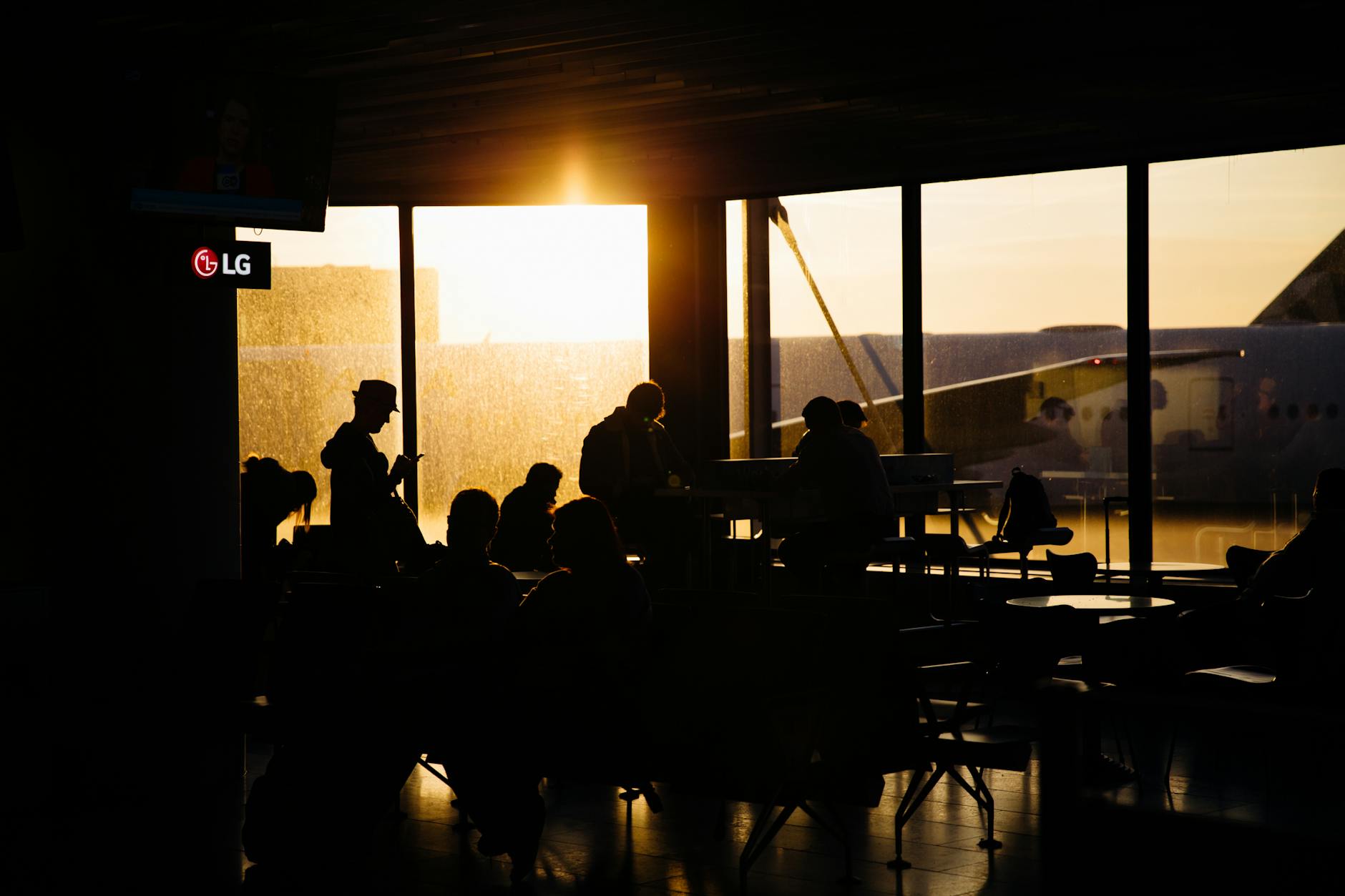
San Francisco International Airport experienced widespread travel disruptions on March 9, with 162 flights delayed and 17 flights canceled, according to official reports. The disruptions left hundreds of passengers stranded in terminals throughout the day, facing uncertain departure times and mounting connection concerns.
The airport, located in San Mateo County and serving as a major hub for Alaska Airlines and United Airlines, handles dozens of domestic and international routes daily. Passengers reported crowded waiting areas, repeated schedule changes, and long lines at customer service counters as the delays cascaded through the system.
Staffing shortages within the Federal Aviation Administration’s air traffic control workforce contributed significantly to the operational challenges, according to airport observers. With fewer controllers available to manage SFO’s busy airspace, airlines adjusted schedules to meet safety requirements, leading to higher-than-usual delay frequencies.
Regional media reports have previously highlighted how federal disruptions have forced authorities to reduce flights and impose temporary ground stops, particularly for short-haul flights, when air traffic controller availability drops below safety thresholds. These operational adjustments maintain secure skies but impact punctuality and flight flow.
San Francisco’s unique weather patterns, including coastal fog and wind events, also contributed to travel complications. Seasonal climate shifts often bring variable conditions requiring additional runway spacing and safety buffers, adding minutes or hours to departure times. While not the sole cause of the delays, weather remains a recognized contributor to periods of slow airport performance.
The combination of staffing constraints and environmental factors creates challenging conditions for Bay Area travelers, especially during busy periods like winter holidays and early spring travel surges.
Eyewitness accounts from SFO described long queues at customer service counters, repeated gate announcements changing departure times, and weary families juggling rebooking decisions in crowded terminals. For many travelers, the disruptions extended beyond inconvenience, disrupting entire itineraries and forcing passengers to absorb unexpected hotel or transport costs.
One business traveler, blocked from an outbound flight to Las Vegas due to repeated delays, described watching departure boards for hours, uncertain when an alternate flight would materialize. Such experiences highlight the real human cost of systemic travel delays and cancellations, where minutes lost in airports can translate into days of lost productivity or foregone holidays.
Airport authorities and airline partners have urged travelers to check flight statuses repeatedly before departing for the airport. SFO’s official travel information channels emphasize last-minute updates from airline apps and real-time tracking services as essential tools for passengers navigating unpredictable schedules.
Terminal signage reminds travelers of ongoing construction and shifting platform assignments, reinforcing the need to confirm departure gates and boarding times directly with airline representatives.
The disruptions affected multiple major carriers operating at SFO, including United Airlines, Alaska Airlines, Delta, and American Airlines. The cancellations and delays impacted routes to key destinations including Los Angeles and New York, creating a ripple effect throughout the national aviation network.
As one of the busiest airports on the West Coast, SFO’s operational challenges reflect broader issues facing the U.S. aviation system. The airport serves as a critical gateway for both domestic and international travel, making any significant disruptions particularly impactful for the broader Bay Area economy and travel patterns.
Travelers planning to use SFO are advised to build extra time into their schedules and maintain flexibility with their travel plans as the airport works to address ongoing operational challenges. The situation underscores the interconnected nature of modern air travel, where staffing shortages and weather conditions can quickly compound into system-wide delays affecting thousands of passengers.