
New Biography Traces Bruce Lee's Formative Year in Oakland During Turbulent 1960s
A new biography explores Bruce Lee's pivotal but brief time in Oakland, where the future martial arts icon developed his revolutionary fighting style while living in a city on the brink of major social movements.
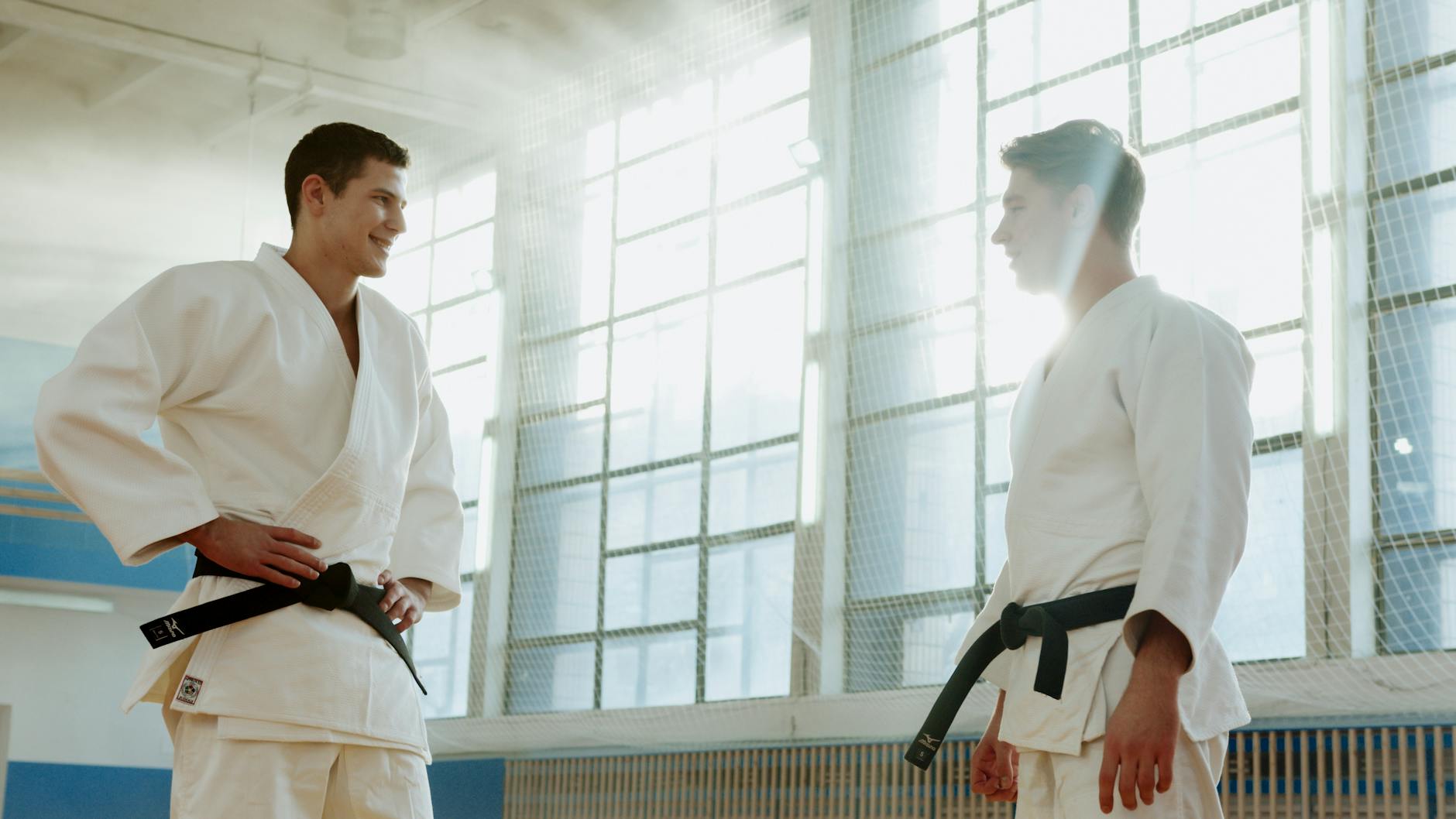
A new biography explores Bruce Lee’s pivotal but brief time in Oakland, where the future martial arts icon developed his revolutionary fighting style while living in a city on the brink of major social movements.
“Water Mirror Echo: Bruce Lee and the Making of Asian America,” by East Bay cultural critic and hip-hop historian Jeff Chang, examines Lee’s approximately one-year residence in Oakland during 1964, according to a recent interview with The Oaklandside.
Lee arrived in Oakland from Seattle at age 23, broke and about to become a new father, according to Chang’s research. The young martial artist taught dance classes in Oakland’s Chinatown and worked out in friend James Yimm Lee’s garage in Maxwell Park, far from his earlier days as a child star in Hong Kong’s film industry and years before his starring roles in “Fist of Fury” and “Enter the Dragon.”
During his Oakland period, Lee partnered with James Lee to open a gung fu school on Broadway, where they trained and developed what would become Lee’s signature fighting style, according to the biography. The city also introduced Lee to some of the earliest mixed martial arts masters from Hawaii, Chang found through his research.
Lee’s time in Oakland coincided with a period of intense social upheaval, according to Chang’s account. Protest movements were emerging at UC Berkeley, while young Japanese American, Chinese American, and Filipino American activists in the East Bay were forming what would become the Asian American movement. Merritt College students were simultaneously conceptualizing the Black Panther Party, and gung fu was beginning to spread beyond Chinatowns.
Chang told The Oaklandside that he wanted to frame Lee’s story specifically through an Asian American lens. “The story has often been told of him as an Asian — a Chinese person — or as an American,” Chang said. “But he’s not an assimilated American. He’s not a dyed-in-the-wool, true blue, 100%, rooted-in-Asia, Asian. He’s Asian American.”
The author conducted extensive research, starting with archival martial arts magazines and cold letters to people who knew Lee, eventually connecting with Lee’s family. “People were passing me one to the other, which I loved. And I kept thinking, ‘I’ve never read this person’s story before,’” Chang told the publication.
Linda Lee, Bruce’s widow, described the Oakland period as one of the best times in her life to Chang, because she, Bruce, and their newborn son were together as a family. Their son Brandon was born in East Oakland during this period, according to the biography.
“It was a very quiet period for them,” Chang said. “The world is on fire, but they are beginning to really learn each other. And, of course, Brandon comes on the scene — he’s born in East Oakland. It’s an interregnum, before the storms of fame came along.”
For Lee personally, Oakland represented a crucial turning point in his martial arts philosophy, according to Chang’s research. The city became the place where Lee’s ideas crystallized into what he would call Jeet Kune Do, when Lee realized “the old styles aren’t going to get me anywhere. I have to lean in and have a breakthrough,” Chang told The Oaklandside.
Chang recently conducted a walking tour of Lee’s Oakland locations, starting at the Chinese American Citizens Alliance lodge at 8th and Harrison streets in Chinatown, where Lee first demonstrated his gung fu techniques, according to the biography.
The book traces Lee’s journey from this formative Oakland period to his eventual move to Los Angeles, where he would achieve international fame and transform martial arts in popular culture.