Silicon Valley Engineers Grapple with AI Tools That Can Code Entire Projects Autonomously
Software engineers across Silicon Valley are confronting an unsettling reality: artificial intelligence tools have advanced to the point where they can build entire coding projects with minimal human input, sparking widespread anxiety about job security in the Bay Area's tech-heavy economy.
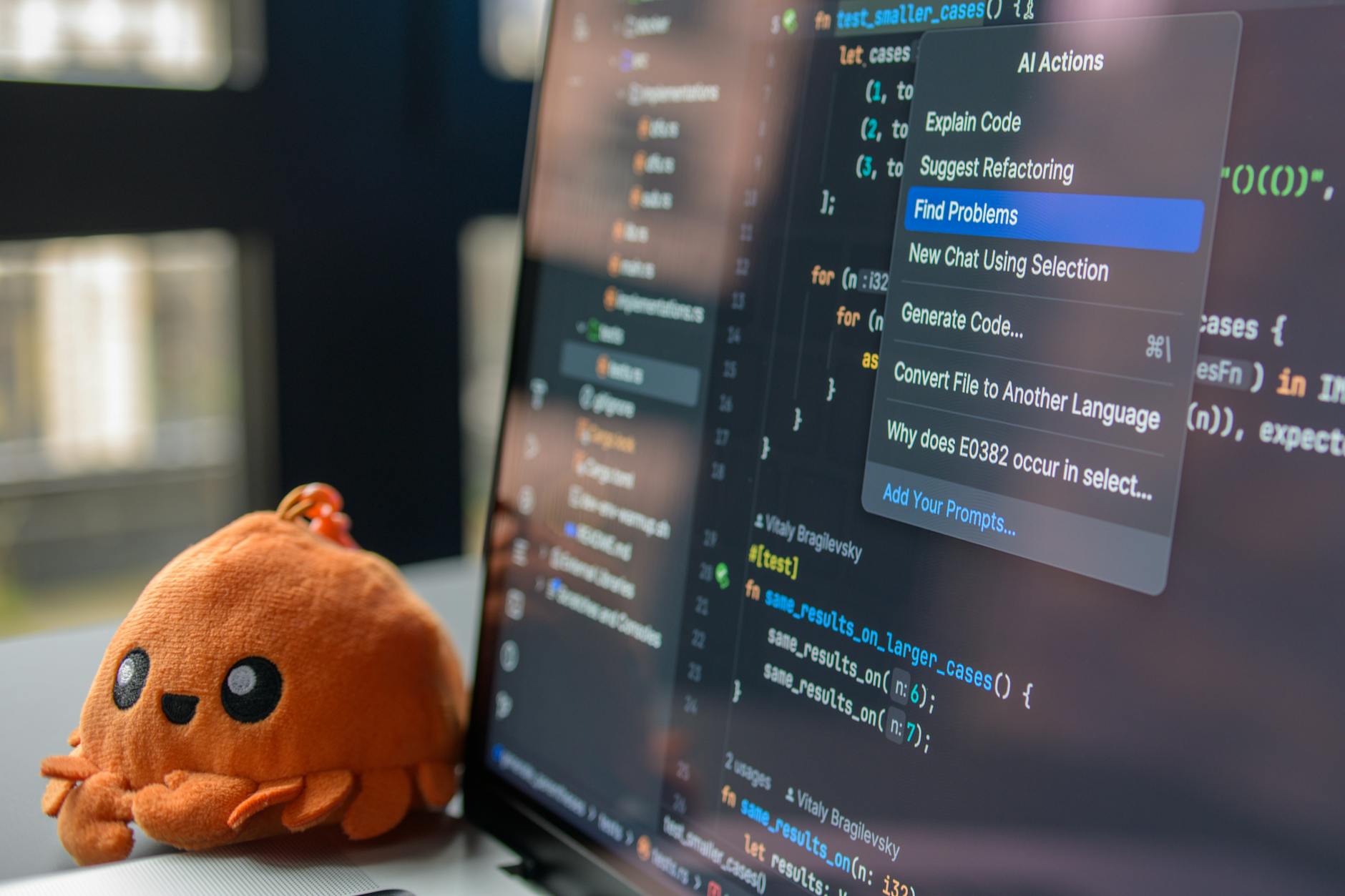
Software engineers across Silicon Valley are confronting an unsettling reality: artificial intelligence tools have advanced to the point where they can build entire coding projects with minimal human input, sparking widespread anxiety about job security in the Bay Area’s tech-heavy economy.
The concerns intensified three months ago when Anthropic released an updated version of Claude Code on November 24, according to a recent analysis of the local tech industry. Engineers spent their holiday breaks experimenting with the tool, which they dubbed “Claude Christmas,” but many emerged from the holidays deeply troubled by what they witnessed.
“The giddiness didn’t last,” according to industry observers who tracked engineers’ reactions to the new capabilities. Many watched the AI tool autonomously build projects that would have required weeks of manual coding, confirming fears that software developers might be relegated to what tech workers now call the “permanent underclass.”
The implications hit particularly hard in San Francisco and San Mateo counties, where approximately 190,000 jobs are tied to the technology sector, according to employment data. The anxiety reached a tipping point last week when an essay by an AI company CEO went viral, arguing that tech workers have spent the past year watching artificial intelligence surpass them at their core job functions.
Daivik Goel, an engineer working on his own startup, described the dramatic shift in how coding work gets done. Previously, coders spent around 20% of their time designing systems and 80% writing code, according to Goel. “But now it’s rare that you write any code at all,” he said.
The vulnerability of coding to automation stems from its entirely digital nature, unlike jobs requiring physical presence or complex human interaction. AI systems have learned from billions of lines of publicly available code that programmers have shared over decades, essentially creating what experts describe as the perfect training environment for automated replacements.
James O’Brien, a computer science professor at UC Berkeley, explained the psychological impact on workers. “If suddenly we have a machine that’s able to do all the things that society thought you were valuable for, that’s very existentially upsetting,” O’Brien said.
What distinguishes current AI coding tools from previous automation waves is their apparent ability to generate original ideas. Today’s coding agents can propose system architectures, follow their own development roadmaps, and execute sophisticated projects with minimal human oversight, according to industry analysis.
The disruption may extend far beyond software engineering. Anthropic CEO Dario Amodei warned last year that AI could eliminate half of all entry-level white-collar jobs within one to five years, according to his public statements. Verizon CEO Dan Schulman recently suggested overall unemployment could reach 20% to 30% within two to five years.
However, some industry experts remain skeptical about these dire timelines. They argue that reducing barriers to software development historically expands the overall market and creates additional employment opportunities. Engineers who master AI deployment tools may find themselves in higher demand.
Lee Edwards, an investor at Root Ventures with software engineering experience, offered an optimistic perspective. “For the engineers who can get the most out of these tools, it’s like giving them a nuclear-powered six-axis mill,” Edwards said. “It’s a single-person software factory.”
Despite these potential upsides, many working engineers in San Francisco report feeling displaced by rapid technological change. O’Brien painted a stark picture of the current landscape: “If AI is a rising water level, it’s recently reached a point where it has submerged the skilled engineer.”
Looking ahead, O’Brien predicted even more dramatic changes. “In a year, I expect coding agents will be better than any human,” he said, suggesting the transformation of software engineering work has only just begun.