
San Jose and Oakland Airports See Passenger Declines in 2025 While SFO Posts Gains
San Jose and Oakland airports experienced significant passenger declines in 2025, while San Francisco International Airport bucked the trend with modest growth, according to reports from the three Bay Area aviation hubs.
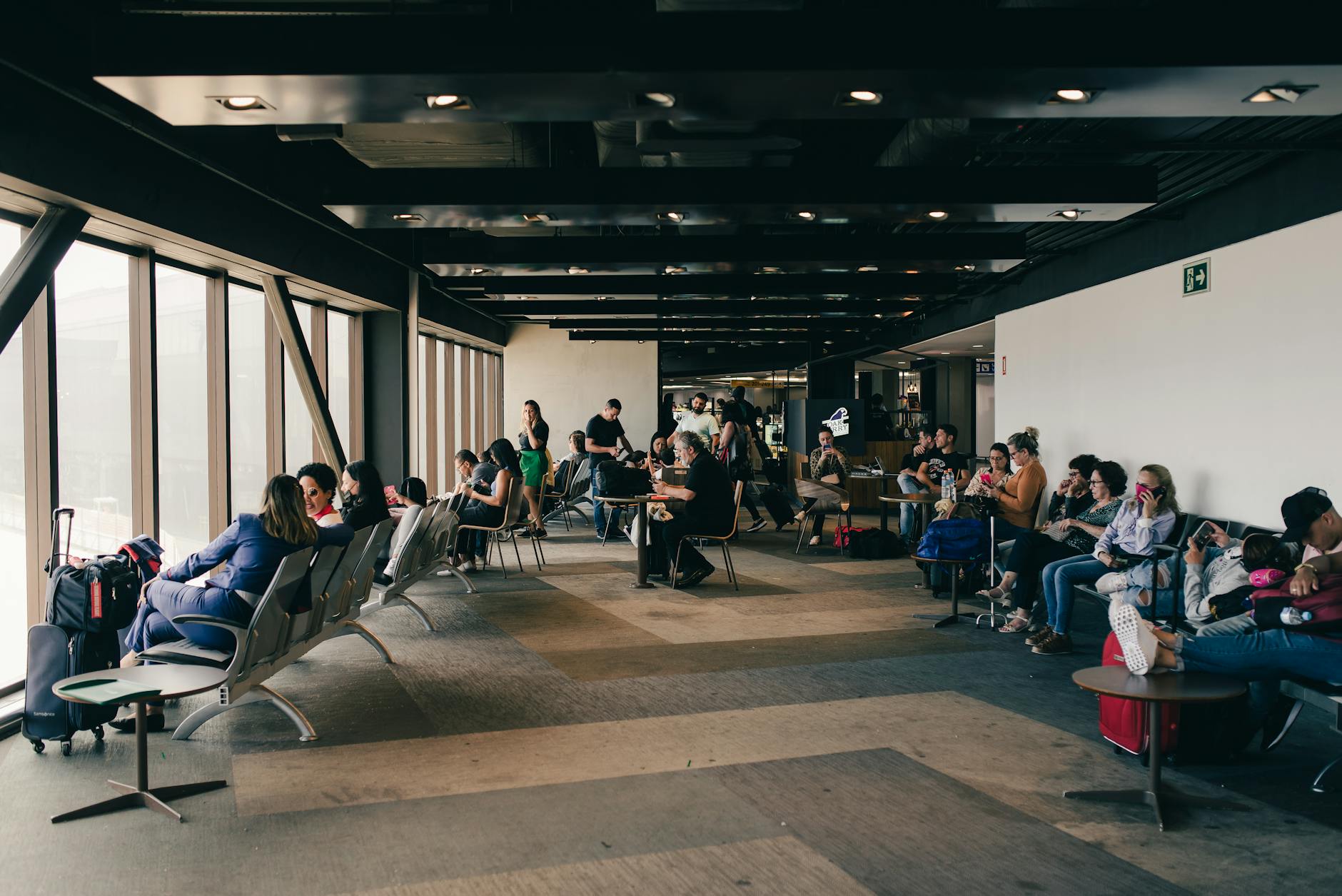
San Jose and Oakland airports experienced significant passenger declines in 2025, while San Francisco International Airport bucked the trend with modest growth, according to reports from the three Bay Area aviation hubs.
San Jose’s Mineta International Airport handled 10.68 million passengers in 2025, down 9.9% from the 11.85 million passengers it accommodated in 2024, according to airport statistics. Oakland San Francisco Bay Airport saw 9.17 million passengers in 2025, representing a steeper 15.3% decline from the 10.82 million passengers it handled in 2024.
San Francisco International Airport moved in the opposite direction, posting a 4.3% year-over-year increase with 54.53 million passengers in 2025, compared to 54.29 million passengers in 2024, according to airport data.
“San Jose Mineta International Airport has experienced some passenger declines that align with airline capacity adjustments across the Bay Area and broader market trends,” said Ana State, a spokesperson for the South Bay aviation center.
SFO has outperformed its regional counterparts consistently, marking the only facility among the three to see increases in passenger trips for five consecutive years from 2021 through 2025, according to yearly airport statistics.
“This trend reflects not only the strength of San Francisco and the entire Bay Area as a highly sought-after travel market, but also the efforts of our aviation development team to encourage incumbent carriers to restore pre-pandemic levels of service while attracting new airlines and new destinations,” said Doug Yakel, a spokesperson for SFO.
The declines at San Jose and Oakland airports accelerated in 2025 compared to 2024, according to statistics from the airports. Both facilities had posted gains from 2021 to 2023 before beginning to decline in 2024.
Post-pandemic recovery has proven challenging for Bay Area airports, which depend heavily on business travel that has declined with the rise of remote work and virtual meetings, according to airport officials.
“Over the past two years, the sustained decline in intra-California business travel along with the broader decline in Bay Area passenger traffic have been the primary factors shaping passenger trends,” said Kaley Skantz, a spokesperson for Oakland Airport.
Airlines have reduced flight capacity as part of the challenge facing the East Bay and South Bay airports. “Airlines at San Jose Airport and across the country continue to recalibrate seat capacity and strategies to better match passenger demand,” State said.
When compared with pre-pandemic 2019 levels, passenger trips in 2025 remained down 31.8% at Oakland Airport, 31.5% at San Jose Airport, and 5.1% at San Francisco International, according to airport statistics.
Despite the overall annual declines, all three airports saw passenger trips increase in December over November, suggesting robust holiday travel, according to the reports.
Oakland Airport is implementing upgrades to attract passengers back, including an improved customer service experience, according to Skantz. “Additionally, Oakland Airport’s concessions have seen a makeover, with 14 new restaurants and nine new retail stores now open for business and serving travelers,” Skantz said.
The airport will also add four nonstop flights to San Diego on Alaska Airlines on April 22, according to airport officials.
San Jose Airport officials are emphasizing efficiency as a competitive advantage. “San Jose Airport remains California’s most dependable airport for on-time performance and continues to serve more than 40 nonstop destinations,” State said. “SJC is also one of the nation’s 25 busiest private airports, a clear indicator of the region’s ongoing economic strength.”
All three airports hope to build on momentum from Super Bowl-related travel that occurred during a 12-day period from January 30 through February 10, according to airport officials.