
OpenAI plans first hardware device by 2026, likely earbuds
The San Francisco AI company aims to announce its debut hardware product this year, with earbuds emerging as the most likely candidate for the launch.
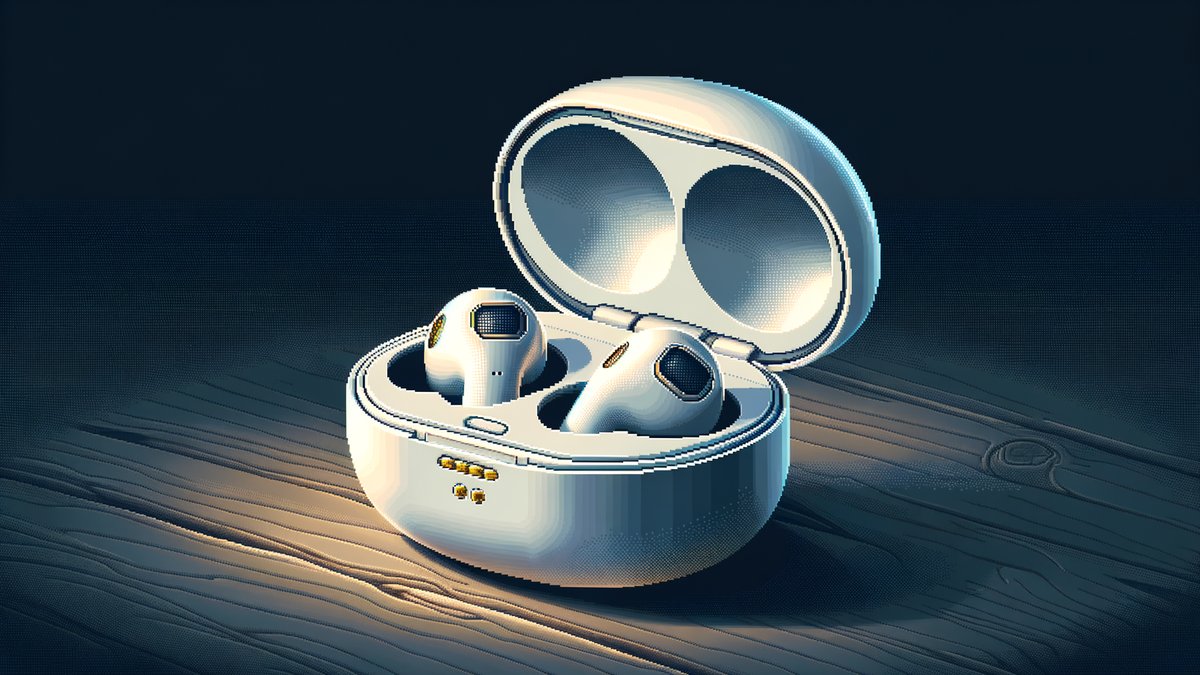
OpenAI will announce its first hardware device in the second half of 2025, targeting a 2026 launch that could put the San Francisco company directly against Apple and Google in the consumer technology market.
The AI startup’s debut hardware product will likely be earbuds equipped with voice capabilities, OpenAI Chief Global Affairs Officer Chris Lehane said during an interview at the World Economic Forum in Davos. The timeline puts OpenAI on track to compete with established tech giants that have dominated the consumer audio market for years.
“We’re committed to building hardware that makes AI more accessible to everyday users,” Lehane said. “The announcement will come later this year, with shipping planned for 2026.”
The move represents OpenAI’s most aggressive push beyond software since launching ChatGPT two years ago. The company, headquartered in the Mission District, has raised more than $13 billion from investors including Microsoft, giving it resources to challenge hardware incumbents.
Earbuds would mark a strategic entry point for OpenAI’s hardware ambitions. The global market for wireless earbuds reached $63 billion in 2024, with Apple’s AirPods controlling roughly 30% of sales. OpenAI’s version would presumably integrate its GPT models for voice interactions, potentially offering features that existing products cannot match.
The timing aligns with broader industry trends toward AI-powered consumer devices. Apple has integrated Siri more deeply into AirPods Pro, while Google’s Pixel Buds offer real-time translation. OpenAI’s approach could focus on conversational AI that goes beyond current voice assistants.
Local implications extend beyond OpenAI’s workforce expansion in San Francisco. The company has hired hardware engineers from Apple, Google, and Meta over the past year, many of whom work from OpenAI’s offices near 16th and Mission streets. A successful hardware launch could accelerate that hiring, adding to the city’s tech employment base.
The announcement comes as OpenAI faces increased scrutiny over its corporate structure and relationships with investors. Former OpenAI sales chief joins Acrew Capital as partner, highlighting ongoing personnel changes as the company scales beyond its startup origins.
Manufacturing partnerships will likely determine OpenAI’s production timeline. Most major earbud makers rely on suppliers in Taiwan and China, requiring long lead times for new entrants. OpenAI has not disclosed which companies will handle production, though industry sources suggest conversations with multiple contract manufacturers are underway.
Competitive pressure has intensified across AI-powered hardware. Meta’s Ray-Ban smart glasses gained traction in 2024, while Amazon’s Alexa devices continue expanding voice capabilities. OpenAI’s entry could force existing players to accelerate their own AI integrations.
Pricing strategy remains unclear, though premium positioning seems likely given OpenAI’s brand recognition and development costs. Apple’s AirPods Pro sell for $249, while Google’s Pixel Buds Pro cost $199. OpenAI’s version could command higher prices if differentiated features justify the premium.
Battery life presents technical challenges for AI-powered earbuds. Running language models locally requires significant processing power, which drains batteries faster than traditional audio playback. Cloud-based processing reduces power consumption but requires constant internet connectivity.
OpenAI’s hardware ambitions extend beyond earbuds, according to sources familiar with the company’s roadmap. Future products could include smart speakers, wearable devices, or home automation hardware, though specific plans remain confidential.
The 2026 timeline gives OpenAI roughly 18 months to finalize designs, secure manufacturing partnerships, and navigate regulatory approvals across global markets. That schedule appears aggressive but achievable for a company with OpenAI’s resources and talent pool.
Market reception will likely depend on unique capabilities that existing products lack. Simple ChatGPT integration may not justify switching from established brands, but breakthrough features could create new product categories.
The announcement represents OpenAI’s evolution from research lab to comprehensive AI platform. Hardware sales could provide revenue diversification beyond subscription services and API licensing, strengthening the company’s financial position as competition intensifies.
Next steps include finalizing partnerships, completing prototype testing, and preparing manufacturing infrastructure. OpenAI declined to provide additional details about specifications, pricing, or exact announcement timing beyond Lehane’s Davos comments.