
Bay Area Death Cap Mushroom Outbreak Kills Four, Hospitalizes 40 in Unprecedented Crisis
An exceptionally wet winter has triggered the deadliest mushroom poisoning outbreak in California history, with four deaths and 40 hospitalizations since November, according to the California Department of Public Health. The crisis has disproportionately affected immigrant communities across the Bay Area, where six of the state's ten affected counties are located.
An exceptionally wet winter has triggered the deadliest mushroom poisoning outbreak in California history, with four deaths and 40 hospitalizations since November, according to the California Department of Public Health. The crisis has disproportionately affected immigrant communities across the Bay Area, where six of the state’s ten affected counties are located.
Dr. Craig Smollin, medical director of the San Francisco Division of the California Poison Control System, called it “the largest outbreak we’ve ever experienced in California of mushroom poisoning.” The surge in cases represents about eight times the state’s annual average for mushroom poisonings, according to health officials.
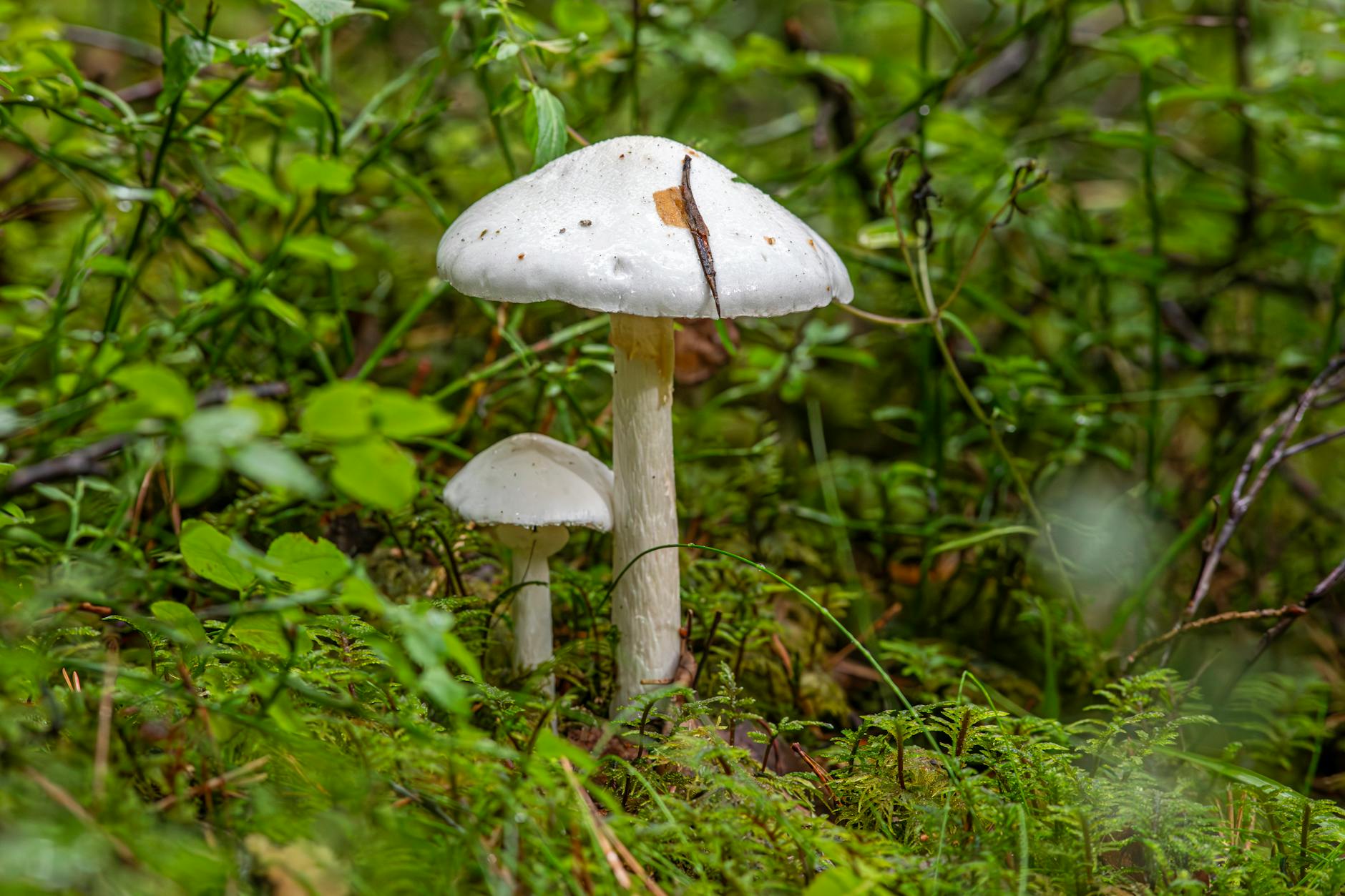
The outbreak centers on death cap mushrooms, among the most poisonous fungi in the world, which have proliferated across Bay Area parks, hills, and trails following early winter storms. These toxic mushrooms closely resemble edible varieties commonly foraged in other countries, leading to deadly cases of mistaken identity.
M.G., a 34-year-old Maya Mam immigrant from Guatemala, experienced this confusion firsthand on December 23 while walking through an East Oakland hills park with her family. She spotted white mushrooms that resembled piosh, an edible variety she knew from Guatemala’s highlands. After cooking and eating the mushrooms with her husband and teenage son, the family began experiencing severe symptoms eight hours later.
“They felt nauseated and were vomiting, and had muscle fatigue and diarrhea,” M.G. explained through a translator. Her husband’s condition deteriorated rapidly, requiring hospitalization and ultimately a liver transplant.
The majority of affected patients speak Spanish as their primary language, according to the California Department of Public Health. Cases have also been documented among speakers of Mandarin, Ukrainian, Russian, and Indigenous languages including Mixteco and Mam.
Bay Area counties reporting hospitalizations include Alameda, Contra Costa, San Francisco, San Mateo, Santa Clara, and Sonoma. At least two of the four fatalities were Bay Area residents of Latino descent, with one speaking Spanish as a primary language, according to reporting by El Tímpano.
Public health experts believe the crisis stems from cultural foraging practices, where immigrants mistake California’s death caps for visually similar edible mushrooms from their home countries. Indigenous communities from Mexico and Guatemala are particularly vulnerable due to traditional knowledge that doesn’t translate to California’s different ecological landscape.
“Even a single bite can cause death,” Smollin warned. Death cap mushrooms contain amatoxin, a toxin that destroys liver cells and can prove fatal even in small quantities.
The outbreak highlights a dangerous gap between traditional foraging knowledge and California’s unique fungal ecosystem. While certain mushrooms may be safely harvested in Guatemala’s highlands or other regions, their California lookalikes can be lethal.
M.G.’s toddler was the only family member who avoided poisoning, spitting out the mushroom after trying a bite. This detail underscores how even small amounts of the toxic fungi can cause severe illness requiring intensive medical intervention.
The unprecedented scale of this outbreak has prompted increased vigilance from poison control centers and public health officials across the region. The combination of unusually wet weather conditions and cultural foraging practices has created what experts describe as a perfect storm for mushroom-related poisonings.
As the Bay Area continues to experience the effects of this winter’s heavy rainfall, health officials are working to raise awareness within immigrant communities about the dangers of foraging unfamiliar mushrooms, even those that appear similar to edible varieties from their countries of origin.