The Tao of Wi-Fi, Salt Rooms, and Burble: Janelli’s Journey to Founder Life
Alexandra Janelli is one of those rare people who has no business existing as one person. Janelli’s the great-granddaughter of New York radio royalty, a conservation biologist who worked to save the p
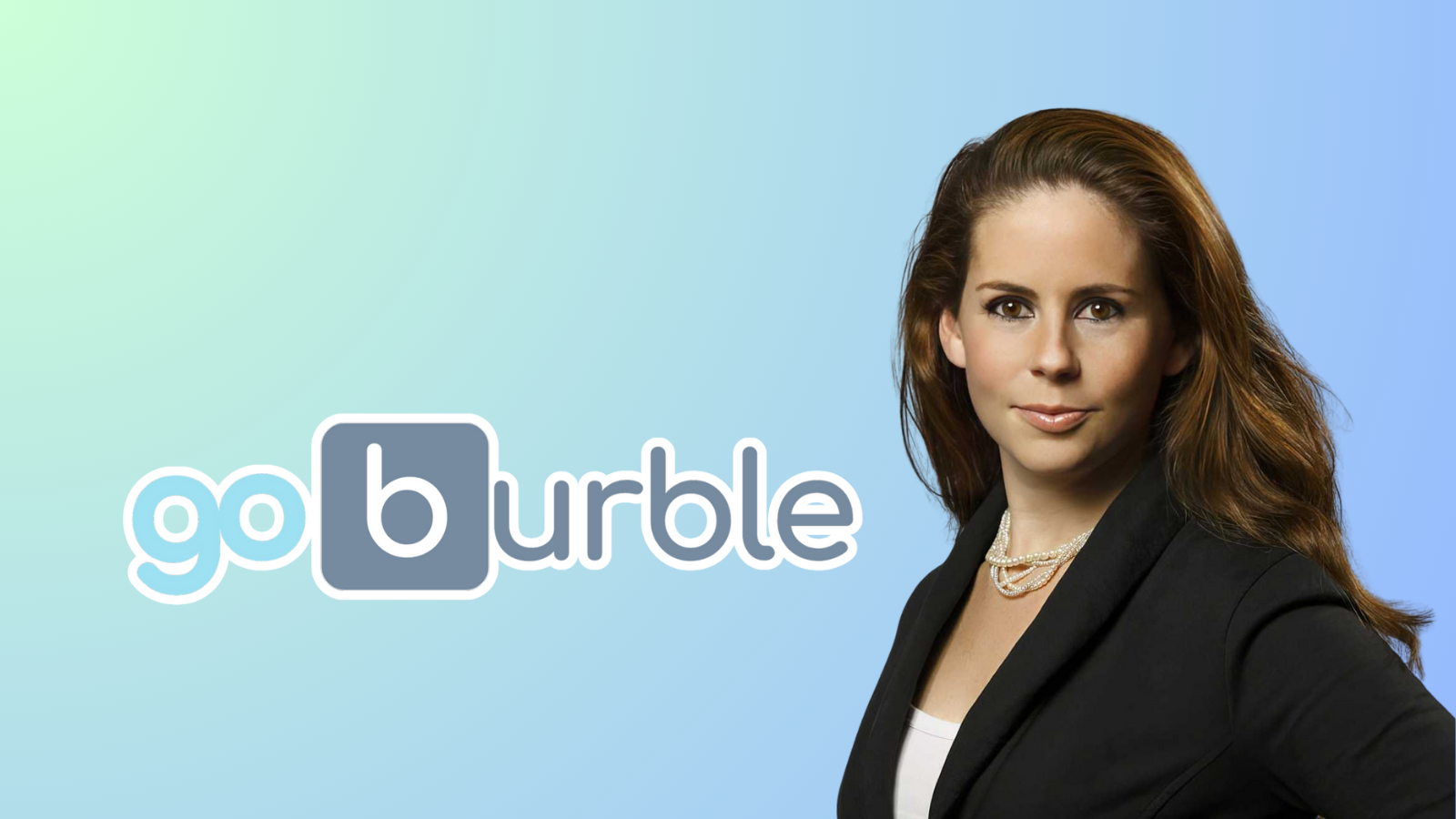
Alexandra Janelli is one of those rare people who has no business existing as one person. Janelli’s the great-granddaughter of New York radio royalty, a conservation biologist who worked to save the planet with spreadsheets, a hypnotherapist who built salt-room temples in two cities, and now a Philly tech founder trying to productize the subconscious with an app called Burble.
If that sounds like three different LinkedIn profiles smashed together, that’s the point: Janelli’s life has been one long argument with the idea that you have to pick a lane.
Janelli grew up with the Gambling name on the airwaves, spent her twenties testing contaminated soil, accidentally went viral as the “Tao of Wi-Fi,” and now lives near Rittenhouse Square wiring hypnosis into AI so anyone with a phone can rewrite the stories running in their head.
To understand why a former conservation biologist is now shipping hypnosis tech out of Rittenhouse Square, you have to go back to New York City, to a family that was literally on the air for nearly a century.
From radio royalty
Before she ever sat across from a client or pitched a VC, Alexandra grew up in one of New York’s most recognizable media dynasties. Her great-grandfather, John B. Gambling, launched the morning radio show “Rambling with Gambling” on WOR in 1925. His son, John A. Gambling, took over. Then his son, John R. Gambling, kept the show going into the 21st century. Three generations of Johns, same show, same city, woven into the daily routine of New Yorkers.
Janelli is part of that tree.
The family name is synonymous with New York radio, but she didn’t follow them into the studio. Instead, she grew up on the Upper West Side watching how storytelling, cadence, and presence could hold an entire city’s attention.
If you listen to her now—whether she’s explaining how a phobia works or walking someone through a Burble session—you can hear the inheritance. There’s a radio host’s rhythm buried inside the hypnotherapist’s calm. She learned, very early, that voice alone can change how a room feels.
Trying to save the planet the old-fashioned way
Despite the media DNA, Alexandra’s first plan was to save the world in a much more literal way. At the University of Miami she studied conservation biology, the kind of degree you choose when you’re genuinely worried the oceans might not make it.
After graduation she went into environmental consulting. For most people, that would be the big arc of the story: kid from a famous New York family moves into a serious, respectable science career. But the work was slow, incremental, and often trapped inside reports that very few people read. She was helping, technically, but the day-to-day impact felt abstract.
At the same time, the internet was turning into this chaotic, participatory, weirdly intimate place. And Alexandra—raised on broadcast but trained in data—couldn’t help noticing that the tiny social experiments happening online seemed to move culture faster than the carefully written memos in her consulting world.
That tension is the through-line in her career: she keeps trying to nudge big systems in better directions, then realizes she needs a more direct line into people’s actual behavior.
Accidentally going viral as the “Tao of Wi-Fi”
The first time Alexandra really became “internet famous” was by accident.
One night in 2009, sitting in a Lower East Side bar, her phone surfaced a nearby network named “Alcoholics Shut In.” It was petty and hilarious and oddly revealing.
She started noticing more of them: passive-aggressive messages to neighbors, inside jokes, tiny poems hiding in the list of available networks.
Most people would smile and move on.
Alexandra bought a domain.
WTFwifi turned into a blog and then a community: people all over the world submitting screenshots of odd, angry, or poetic Wi-Fi names. She curated them, wrote about them, and treated those little fragments as a kind of urban anthropology. What do you name the invisible signal coming out of your home when nobody’s watching? Turns out, people get honest.
The site blew up. The New Yorker ran a Talk of the Town piece literally titled “The Tao of Wi-Fi,” putting Janelli’s side project in the same breath as high art, politics, and downtown gossip. Marketing author David Meerman Scott later used WTFwifi as a case study in The New Rules of Marketing & PR to explain how tiny, obsessed projects can travel globally when they tap into real human behavior.
For Alexandra, the lesson landed hard: if you really pay attention to how people behave on the edges – Wi-Fi names, strange little habits, what they do when they think nobody is looking – you can see the subconscious at work.
She didn’t know it yet, but she was already drifting toward hypnosis.
Hypnosis as a second act
The pivot came from something painfully small and human: she couldn’t stop picking at her cuticles.
It was one of those nervous habits that feels trivial until you realize how much energy you’re pouring into hiding it. On a friend’s recommendation, Alexandra saw a hypnotherapist. Three sessions later, the urge was basically gone. No miracle, just a calm, noticeable shift. For someone with a science background, that was unnerving in the best way.
Instead of treating hypnosis like a parlor trick, she started treating it like a system worth reverse-engineering. She enrolled at the Hypnosis Motivation Institute, earned an advanced diploma in hypnotherapy and handwriting analysis, and added formal life-coach training on top of it. What had started as “I just want to stop doing this one weird thing” turned into a full career change.
By 2010 she’d launched Theta Spring Hypnosis, first in the Chicago area and later back in New York. The practice was built around anxiety, stress, and the kind of high-functioning burnout you get when your LinkedIn is thriving and your nervous system is wrecked.
Her “Breathe, Listen, Change” tagline sounds simple until you’ve sat through an hour of having your thought patterns gently dismantled and rebuilt.
Over time, her work started leaking into the broader internet again. She became a certified wikiHow contributor, co-authoring step-by-step guides on everything from overcoming phobias to managing anxiety. Major outlets began calling when they needed someone who could translate hypnosis into plain English. That “as seen in” list—The New York Times, Vogue, Oprah’s magazine, Forbes—is the kind of media footprint that PR firms promise and almost never deliver.
But again, the pattern repeats: traditional practice, plus a strange gravitational pull toward formats that can scale.
Building temples to the subconscious
Then she did something that makes almost no sense on paper: she opened a brick-and-mortar wellness center in Manhattan.
In 2016, Alexandra took on personal debt, emptied savings, and opened Modrn Sanctuary in NoMad. This was not a beige yoga studio with inspirational decals. It was dark, moody, intentionally sensory: black crocodile-textured walls, antique Balinese doors, contemporary art, and a salt room lined with thousands of pounds of Himalayan pink salt.
The space became a kind of physical embodiment of her thesis: if you want to change your mind, you have to change what your senses are soaking in. Halotherapy, crystal light beds, infrared saunas, acupuncture, massage, hypnosis, coaching—Modrn Sanctuary turned into a hub where all of that could coexist under one roof.
New York media loved it. Olivia Wilde ended up talking about the place in the New York Times while walking through her beauty regimen. Wellness writers cycled through to nap on crystal beds, sit in the salt room, and try to decide whether what they were feeling was placebo or something more interesting. The answer, often, was “both.”
Right before the pandemic, Alexandra quietly expanded the concept to Philadelphia, opening what is now Vyve Spa (formerly Modrn Sanctuary Philadelphia) in Center City. The space won “Best of Philly” for spa services and became one of those local spots where startup founders, lawyers, and exhausted parents quietly overlap in the waiting room.
That physical footprint in Philly is part of why Burble feels so grounded. This isn’t a pop-up app from someone who just discovered mindfulness last year. It’s the software extension of someone who has spent 15 years watching what actually helps people in the room.
Burble and the attempt to bottle hypnosis
If WTFwifi was an experiment in how digital artifacts reveal the subconscious, Burble is the full-length sequel.
On the surface, Burble is a wellness app: AI-powered hypnotherapy and guided visualization delivered via your phone. Dig a little deeper and it’s really an attempt to productize a relationship. Traditional hypnosis is bespoke; the practitioner listens, mirrors your language, picks up on your metaphors, and uses all of that inside the session. That’s why it works.
Burble tries to recreate that dynamic at scale. Users answer questions about what they’re dealing with (think anxiety, sleep, weight, burnout, specific fears) and the system assembles a session that pulls from Alexandra’s library of scripts, therapeutic frameworks, and the kind of micro-phrases she’s seen resonate in real life.
The “Mindset Mentor” is designed to feel less like a faceless AI voice and more like a calm, slightly nerdy guide who remembers what you said last time.
This is where her conservation biology and data-driven brain sneak back in. She’s obsessive about outcomes: did the person sleep better, did their habit change, did their anxiety rating actually drop after a week? The pitch isn’t “vibes,” it’s “let’s treat your subconscious like a system we can influence and measure.”
In early 2025, that pitch jumped out of the wellness world and into the tech arena. Burble won the Philadelphia bracket of the global Founder Fridays pitch tournament, earning a spot on Jason Calacanis’ This Week in Startups to compete in a broader “elite eight” bracket.
You know, a tale as old as time: a hypnotherapist from a radio dynasty, representing a Philly-born wellness app, pitching an AI-driven subconscious reprogramming platform on one of tech’s most OG podcasts.
If you’re looking for the exact intersection of tech hype, mental health crisis, and old-school storytelling, it’s probably that clip.
Philadelphia, Founder Fridays, and what comes next
Today, Alexandra lives near Rittenhouse Square, walking distance from the co-working spaces where Philly’s tech scene is slowly coming into its own.
She talks about Philadelphia the way a lot of transplants do when they fall hard for the city: less polished than New York, less obsessed with its own myth, but quietly serious about getting things done. It’s also, frankly, more honest about stress. In a town built on medicine, higher ed, and logistics, you don’t have to sell people on the idea that their nervous systems are fried.
That’s the bet she’s making with Burble: that the next wave of mental-health tech won’t come from yet another San Francisco mindfulness startup, but from a Philadelphia founder who grew up listening to her grandfather’s voice crackle across the radio waves, tried to save the environment, accidentally documented a global Wi-Fi in-joke, built salt rooms in multiple cities, and then decided the most radical thing she could do was teach people how to talk to their own minds.