
California Battles Multiple Measles Outbreaks as Health Departments Face Funding Cuts
California is confronting its first measles outbreaks since 2020, with seven counties reporting a total of 21 cases this year as local health departments operate with reduced funding and staffing, according to the California Department of Public Health.
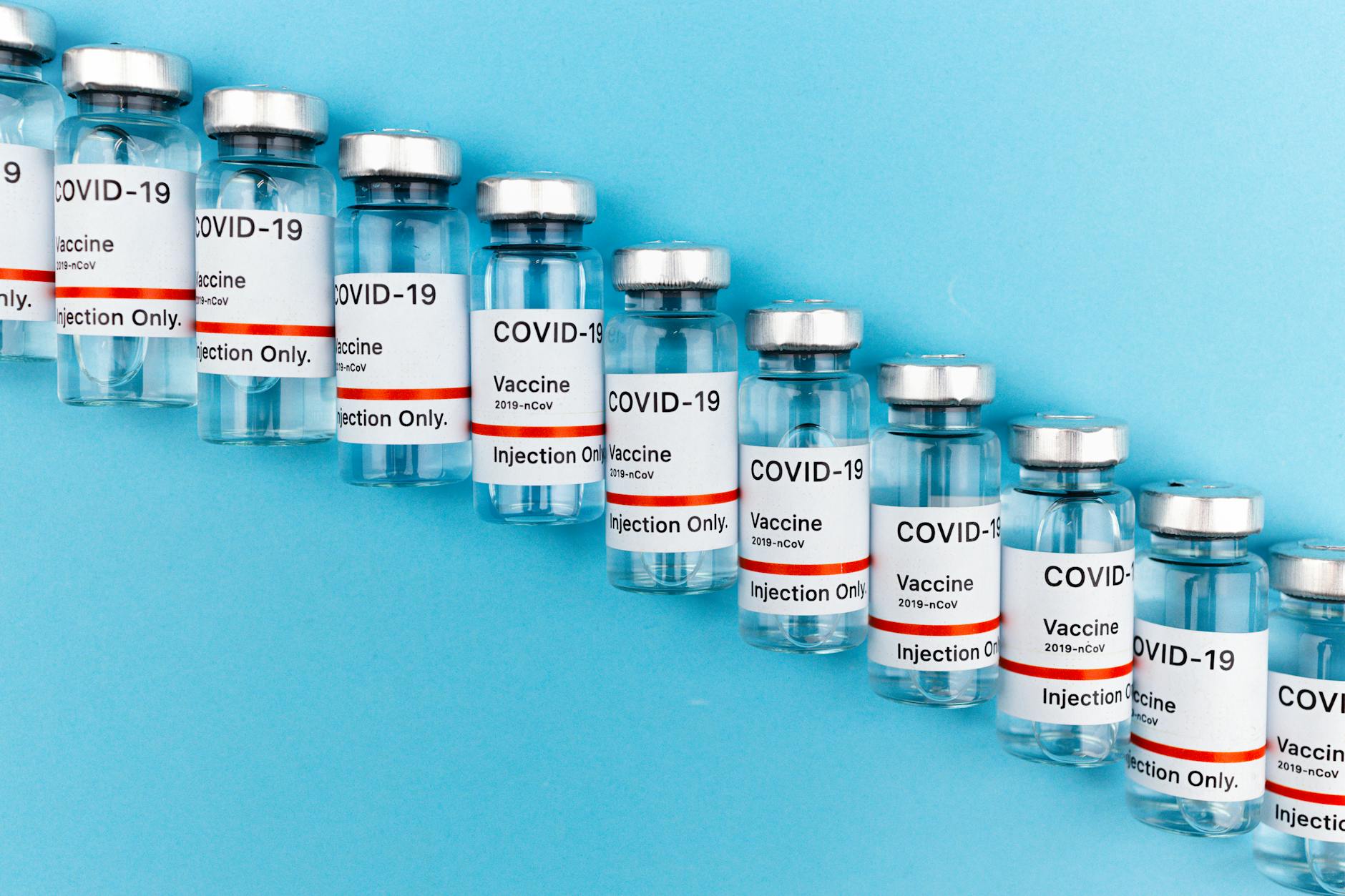
California is confronting its first measles outbreaks since 2020, with seven counties reporting a total of 21 cases this year as local health departments operate with reduced funding and staffing, according to the California Department of Public Health.
Shasta and Riverside counties are currently working to contain localized outbreaks of the highly contagious disease. The outbreaks occur despite California maintaining a kindergarten vaccination rate of about 95%, high enough to provide herd immunity, but pockets of unvaccinated communities throughout the state continue to drive transmission, experts say.
“The United States is experiencing the highest numbers of measles cases, outbreaks, hospitalizations and deaths in more than 30 years, driven by populations with low vaccination rates,” said California Public Health Officer Dr. Erica Pan in a statement earlier this month.
When health departments identify a possible measles case, they face an urgent timeline. Laboratory workers must process samples immediately to confirm infection, while public health nurses contact patients to trace their recent movements and contacts. If tests confirm measles, communicable disease teams have 72 hours or less to identify exposed individuals who may face high risk of infection or serious illness.
The disease’s extreme contagiousness makes rapid response critical. In a room where one person is infected, nine out of 10 unvaccinated people will contract measles, according to health officials. Viral particles linger in the air for up to two hours after an infected person leaves, potentially exposing anyone who enters the space during that window.
“That’s ridiculously infectious,” said Dr. Sharon Balter, director of acute communicable disease control with Los Angeles County public health. “It balloons very quickly, and because measles spreads very fast we have to get on it right away. We can’t say we’ll wait until tomorrow.”
The containment efforts carry substantial costs. Los Angeles County’s first three measles cases this year required an estimated $231,000 for investigation and response, according to a health department analysis. Disease investigations demand extensive resources, including public health nurses, physicians, epidemiologists and laboratory scientists who must follow up with hundreds of contacts.
The work often requires field visits to homes and exposure sites. In one recent case involving daycare exposure, nurses had to extract urine from used diapers to test babies for measles. County health workers monitored 246 people exposed to the first three measles cases, with ongoing monitoring continuing.
Los Angeles County reported its fourth measles case on February 19. All county cases have been linked to international travel, mirroring a pattern seen in other California cases that primarily connect to either international travel or visits to states experiencing outbreaks.
The California outbreaks are part of a broader national surge. Twenty-six states have reported measles cases since the start of the year, including a massive outbreak in South Carolina where officials identified nearly 1,000 cases, mostly among unvaccinated children. This represents the largest outbreak since the Centers for Disease Control and Prevention declared measles eradicated more than 25 years ago.
Health officials emphasize the importance of vaccination in preventing further spread. Exposed individuals must either quarantine or receive post-exposure prophylaxis to prevent transmission, followed by 21 days of symptom monitoring by nurses.
“We all need to work together to share the medical evidence, benefits, and safety of vaccines to provide families the information they need to protect children and our communities,” Pan said in her statement.
The current outbreaks highlight the ongoing challenge of maintaining high vaccination rates across all communities, even as health departments navigate reduced resources compared to previous years.