
Lucky Grocery on Fulton Street in NoPa Closing This Fall
The Lucky supermarket at 1750 Fulton Street in San Francisco's NoPa neighborhood will permanently close on September 11, leaving residents with fewer affordable options.
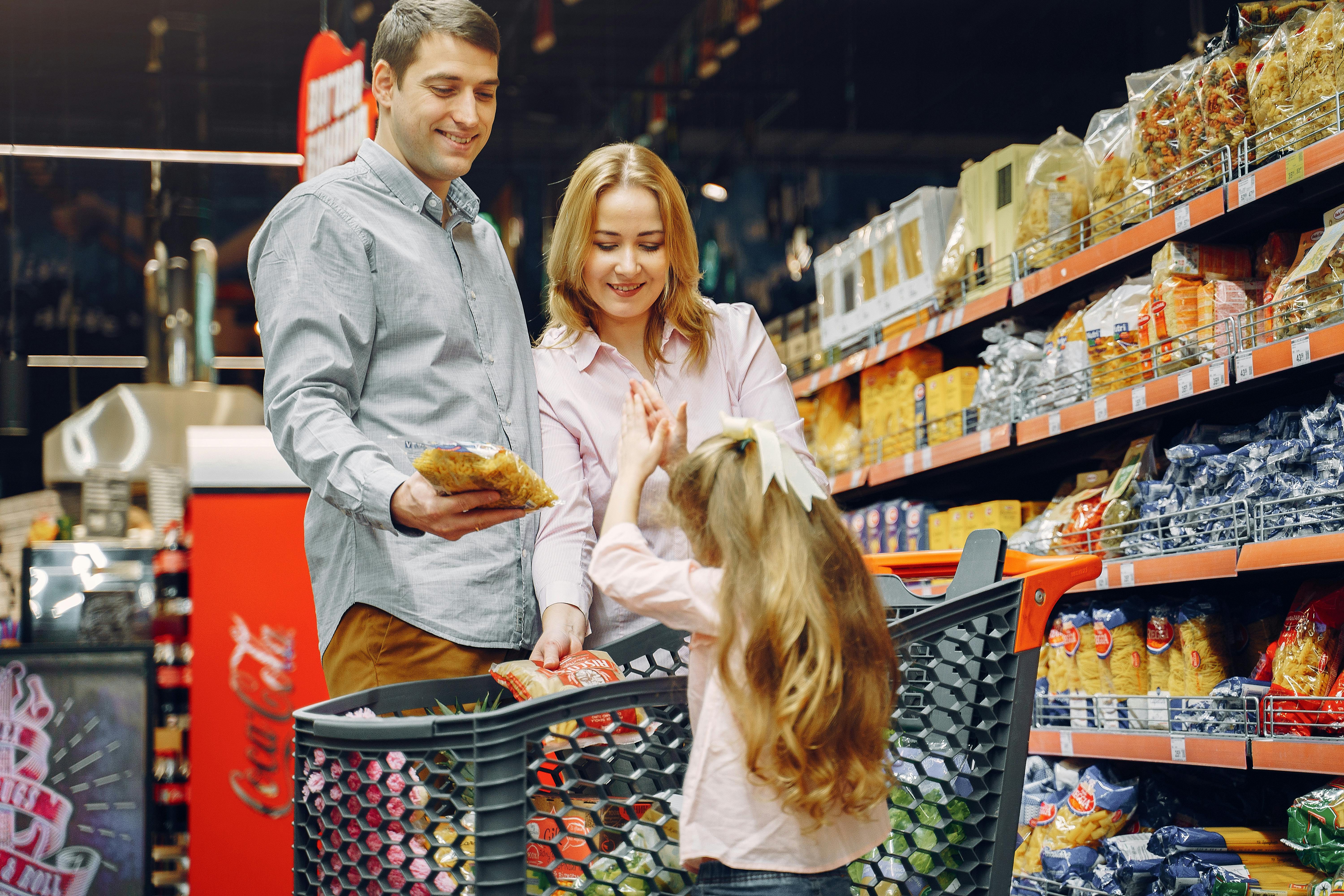
The Lucky supermarket at 1750 Fulton Street will close permanently on September 11, parent company Save Mart confirmed this week, dealing another blow to San Francisco residents already navigating a shrinking grocery market.
The 48 workers at the NoPa store received notice of the closure this week. Phil Keene, Save Mart’s senior director of communications and government affairs, told the San Francisco Chronicle the location had struggled for some time. “Closing a store is not a decision we take lightly, but this store has had performance issues for an extended period of time,” Keene said. “We have worked to enhance and remodel the location, but it has not shown the sales and profit needed to continue operations.”
For residents of NoPa, the Panhandle, and the area surrounding the University of San Francisco, the closure removes one of the few genuinely affordable grocery options in the city. That matters more than it might sound. A Chronicle survey of grocery prices across San Francisco ranked Lucky second only to Trader Joe’s for the lowest prices on a dozen staple items, including eggs, ground beef, rice, coffee, and extra-virgin olive oil. When the same basket of goods can cost twice as much across different stores in the same city, losing a budget-friendly option is not a minor inconvenience. For working families, seniors on fixed incomes, and students, it can mean rethinking the weekly budget.
When this location closes, only one Lucky store will remain in San Francisco: the location at 1515 Sloat Boulevard, on the far southwestern edge of the city.
The Fulton Street closure follows a pattern that has been accelerating. Last year, the Safeway on Webster Street in the Fillmore closed after the company cited financial viability problems and shoplifting losses. That store had served as an anchor for elderly residents in the Fillmore and Japantown, many of whom depended on it for walkable access to groceries. Community members and members of the Board of Supervisors pushed back hard to keep it open. Safeway closed it anyway. No replacement has materialized.
The Fulton Street Lucky occupies space in the Fulton Market shopping center. The building has a history of ownership changes: it operated as an Albertsons until 2014, when Save Mart acquired a group of Albertsons locations in Northern California and converted them to the Lucky banner. Unlike the Fillmore Safeway site, which already has a redevelopment plan attached to it, no such plan appears to exist for the Fulton Street property. That opens at least the theoretical possibility that another grocery chain could step into the space after Lucky exits.
One nearby development could offer some relief, though the timeline is uncertain. T&T Supermarkets, the Asian-Canadian grocery chain, announced plans to open a large new location in the former Best Buy space at the City Center complex on Masonic, just a few blocks north. As of last spring, T&T was targeting a winter 2026 opening. No updated timeline has been released. A T&T location would serve a different part of the neighborhood’s needs and would bring a welcome range of Asian groceries and specialty products to the area. But it would not necessarily replicate what Lucky offered in terms of everyday staples at accessible prices.
City leaders and community advocates will want to pay attention to what happens with the Fulton Street property. San Francisco has lost several major grocery anchors in recent years, and the pattern consistently hits lower-income residents hardest. When affordable options disappear, families don’t stop needing to eat. They either pay more, travel farther, or both.
The broader question is whether the city has any real tools to ensure grocery access in neighborhoods before a closure happens, rather than scrambling after the fact. The Fillmore situation showed what happens when the answer is no. NoPa and the surrounding areas deserve better than the same outcome.